Common Birds in PA: A Backyard Guide to Birdhouses & Feeders
Your Backyard Is Full of Feathered Neighbors
From colorful cardinals to cheerful chickadees, common PA birds bring life to backyards year-round. But attracting birds in Central PA takes more than putting up a birdhouse. In this guide from Royal Crowne, discover familiar species, their nesting and feeding preferences, and ways to welcome them home.
Meet the Birds That Call Pennsylvania Home
American Robin
- Recommended Product: Bethany Bird Feeder
- Reason: American Robins are strictly open-cup nesters that build on tree forks, eaves, and flat ledges; they do not use enclosed cavity birdhouses.
- Details: The Bethany Bird Feeder is the best match because its wide, open hexagonal platform provides the spacious landing area robins require to feed on raisins, dried mealworms, suet pellets, or fruit chunks.
Black-Capped Chickadee
- Recommended Product: Victorian Birdhouse (Small: 8" sq. x 19" H)
- Reason: Chickadees are native cavity nesters that prefer solitary nesting territories during breeding season. Unlike Purple Martins, they won't share multi-room birdhouses, making a single-compartment design the better choice for these small backyard visitors.
- Details: The Small Victorian birdhouse offers the single-family nesting space chickadees need, with removable tops for easy seasonal cleaning. Adding an entrance restrictor plate to reduce the standard 1½-inch opening to 1⅛–1¼ inches can help discourage larger competing birds.
House Finch
- Recommended Product: Chapel Bird Feeder
- Reason: House Finches typically nest in sheltered ledges, dense shrubs, and hanging planters rather than enclosed birdhouses. As primarily seed-eating birds, they're better attracted to backyards with a reliable food source than to traditional nesting boxes.
- Details: The Chapel Bird Feeder features a covered hopper and accessible feeding perches, making it a great choice for House Finches. Fill it with sunflower or safflower seeds to attract these colorful visitors while keeping their favorite foods sheltered from the elements.
Purple Martin
- Recommended Product: Martin Birdhouse
- Reason: Unlike solitary nesters, Purple Martins thrive in colonies. In Pennsylvania, they rely heavily on human-provided housing mounted on tall poles in wide-open spaces, making properly designed communal birdhouses an excellent nesting option.
- Details: The Martin Birdhouse offers multiple nesting compartments to accommodate Purple Martin colonies. These birds feed exclusively on flying insects, including beetles, moths, and dragonflies, rather than visiting seed feeders. Position the birdhouse in an open area, away from trees and buildings, to provide clear flight paths and encourage nesting.
Bigger Birds, Bigger Questions: Do Crows Need Birdhouses?
Looking for a birdhouse for crows? American Crows build large stick nests high in trees rather than using traditional birdhouses. A birdhouse for large birds isn't necessarily suitable for nesting, either. Oversized decorative birdhouses can enhance your garden without serving as functional nesting habitats.
Keeping the Peace: How to Handle Feeder Bullies
Some birds in PA, including European Starlings, House Sparrows, and Common Grackles, can become feeder bullies. Encourage balanced feeding by offering multiple stations, species-specific feeders, varied seeds, and clean feeding areas. Explore the
Cornell Lab of Ornithology for additional bird behavior insights.
Five Ways to Make Your Backyard More Bird-Friendly
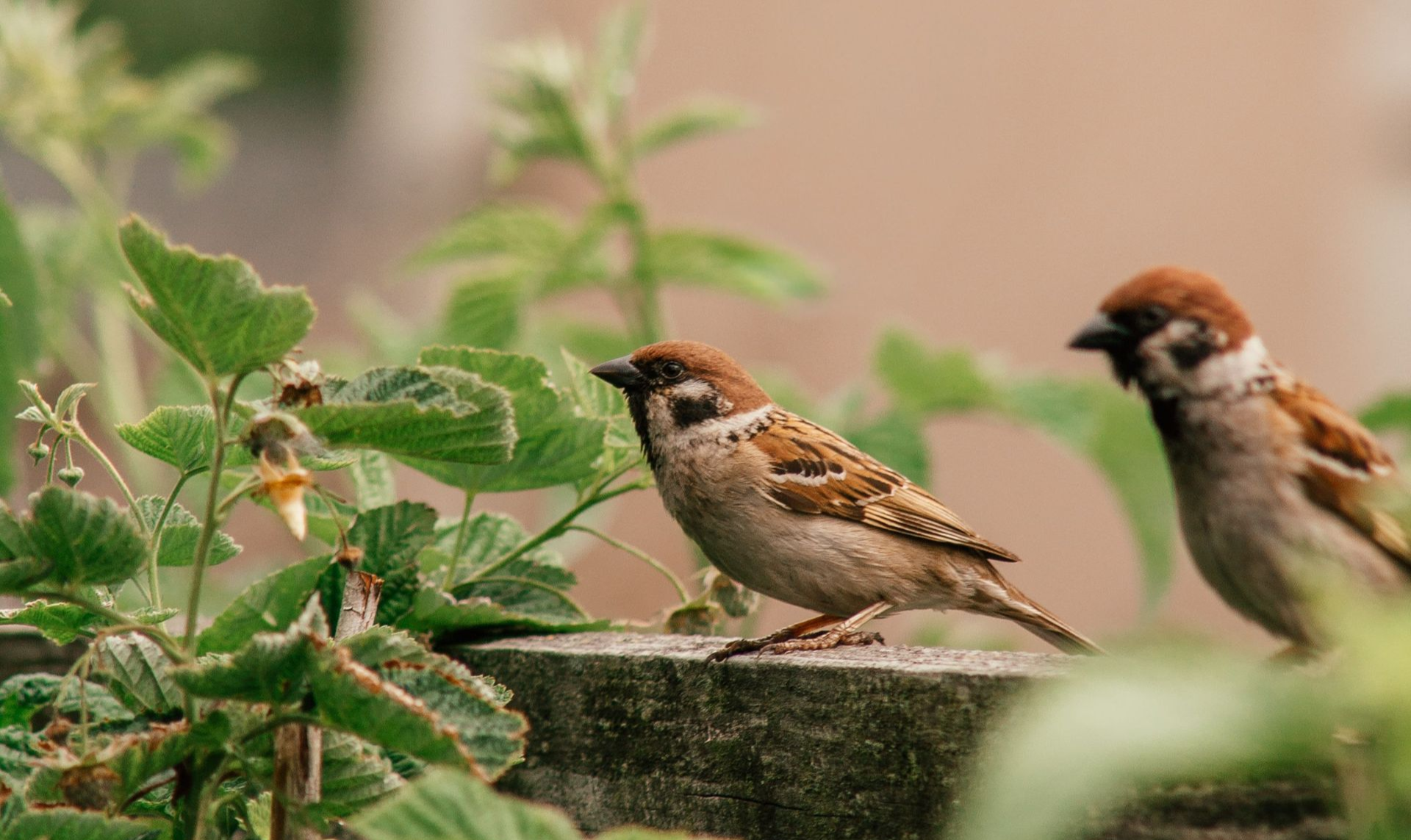
Creating a welcoming habitat for native birds of PA goes beyond hanging a birdhouse. With the right combination of food, shelter, water, and maintenance, homeowners can attract a greater variety of Pennsylvania birds while supporting their natural behaviors.
1. Choose the Right Location
Not every birdhouse belongs in the same spot! Consider each species' preferred habitat, mounting height, and entrance direction. Choose locations that offer protection from harsh weather, excessive afternoon sun, and predators while providing a safe environment for nesting.
2. Offer Food They'll Actually Eat
Different birds have different appetites. Black oil sunflower seeds attract cardinals, chickadees, and finches, while nyjer appeals to goldfinches. Mealworms are favorites among bluebirds, and suet provides valuable energy for woodpeckers and nuthatches. Using multiple feeder styles can accommodate more species.
3. Provide a Fresh Water Source
A shallow birdbath offers birds in Central PA a place to drink and bathe throughout the year. Refresh the water regularly, clean the basin to prevent buildup, and consider a birdbath heater during freezing Pennsylvania winters to maintain access to unfrozen water.
4. Plant Native Pennsylvania Vegetation
Native flowers, shrubs, and trees turn your backyard into a natural food source. Plants like serviceberry, native dogwoods, and purple coneflowers provide berries, seeds, insects, and shelter. Explore Audubon Pennsylvania for guidance on creating bird-friendly landscapes with native plants.
5. Keep Birdhouses Clean and Safe
Well-maintained birdhouses encourage healthier nesting environments. Remove old nesting materials after the breeding season, inspect boxes for damage, and use predator guards where appropriate. Avoid decorative perches on functional nesting boxes, as they can help predators access nests.
Bring a Little More Birdsong to Your Backyard
Bring your backyard to life with common PA birds! Choose birdhouses and feeders suited to the species you want to attract, and explore Royal Crowne’s Amish-built collection to create a welcoming outdoor retreat.