How Do You Prevent Copper From Tarnishing?
Understanding Why Copper Tarnishes Outdoors
Copper is known for its beauty and durability outdoors, but change is inevitable.
A surface that once looked bright and warm may begin to darken. Exposed to the elements, shiny golden copper gradually shifts to richer browns and earthy greens, forming a natural patina. It can catch you off guard at first, but nothing is wrong.
At Royal Crowne, we work with architectural copper every day, including copper cupolas built for long-term outdoor use. Tarnish and oxidation are natural parts of copper’s life outside, shaped by the environment and early care choices.
This guide explains how to prevent copper from tarnishing when it makes sense, when it doesn’t, and how to care for copper without guesswork.
Why Copper Tarnishes in the First Place
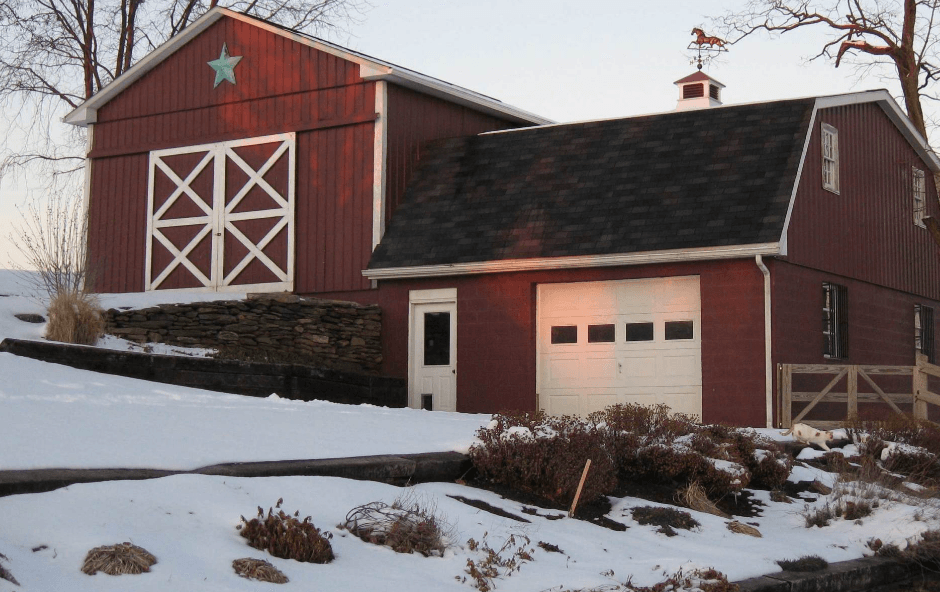
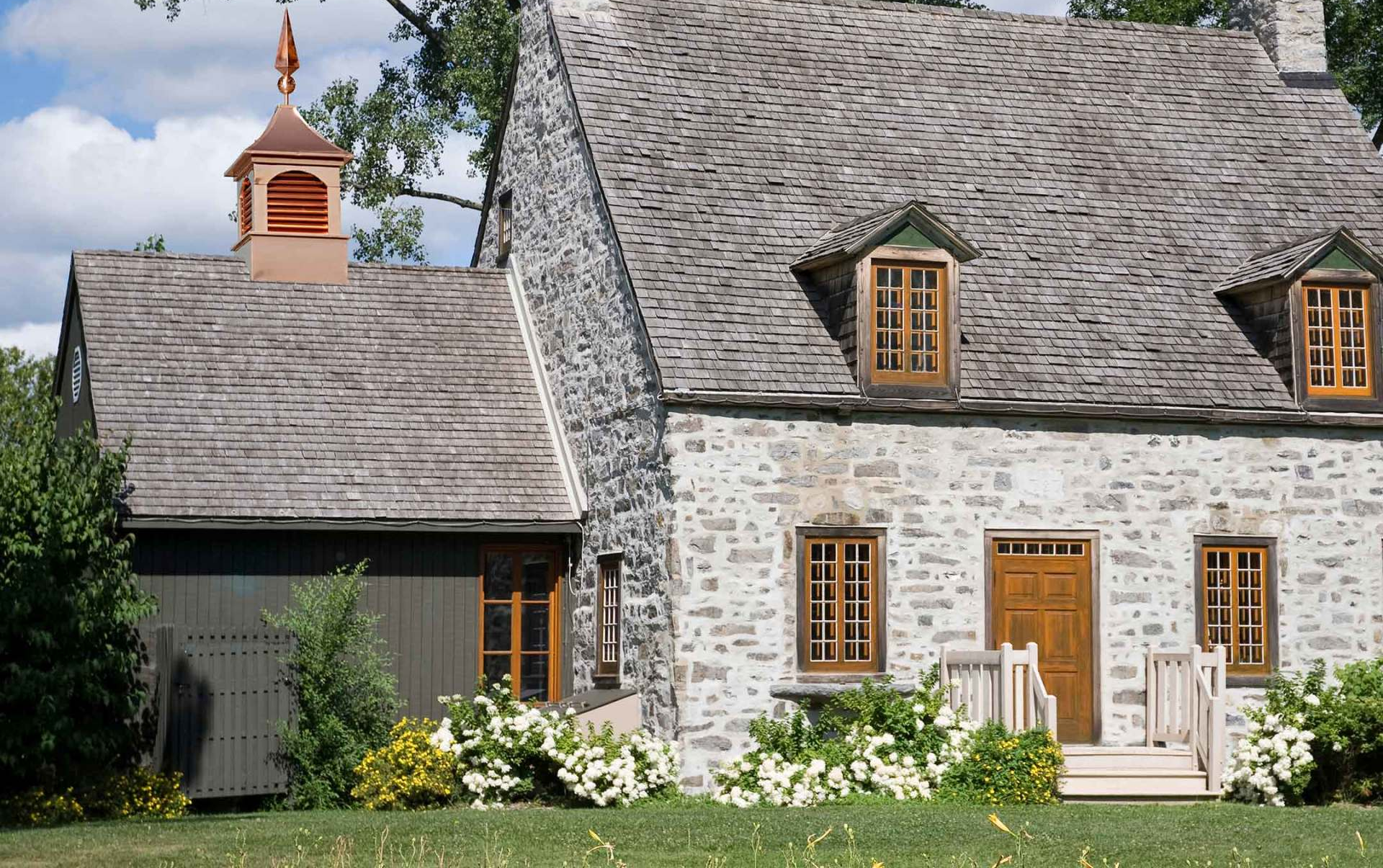
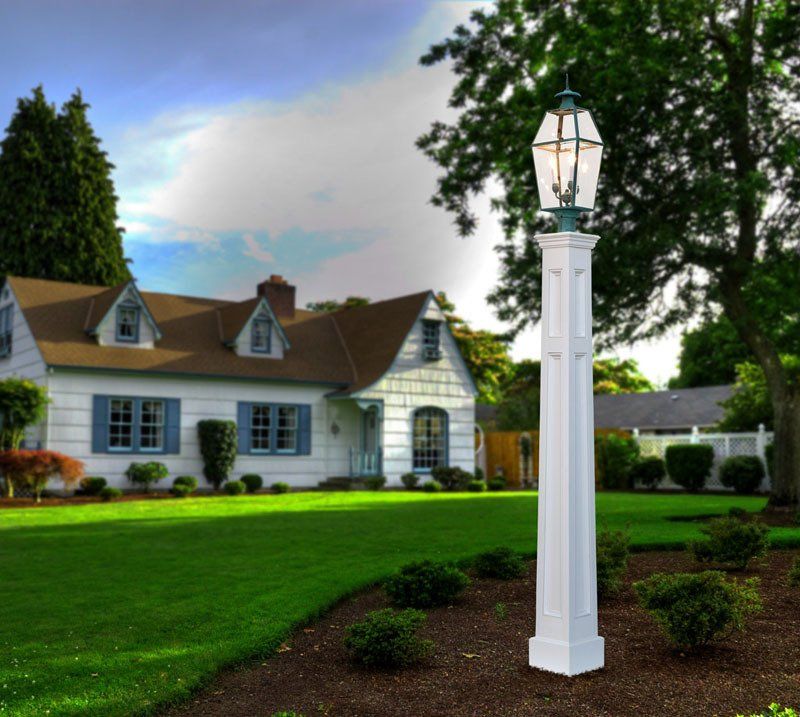
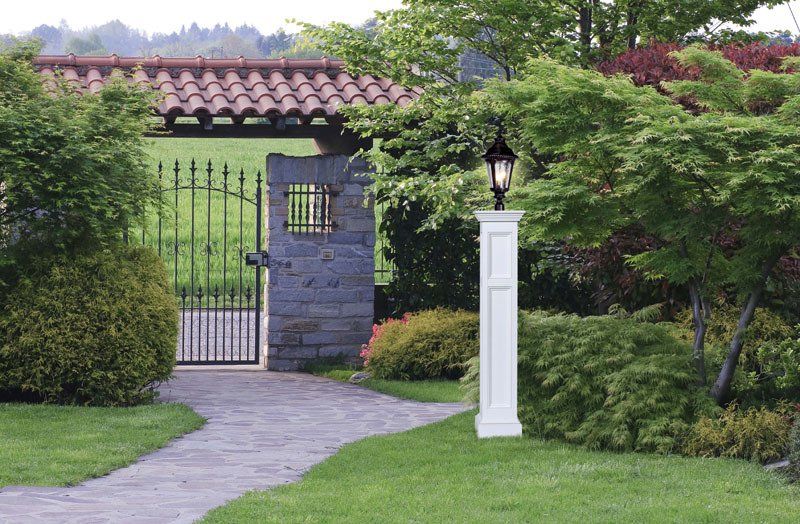
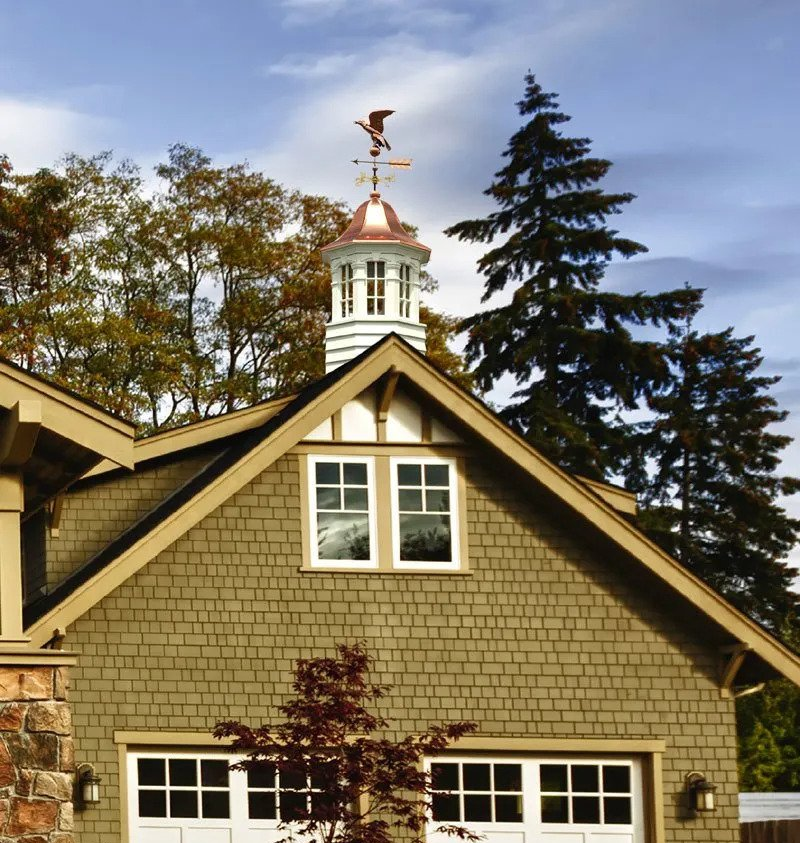
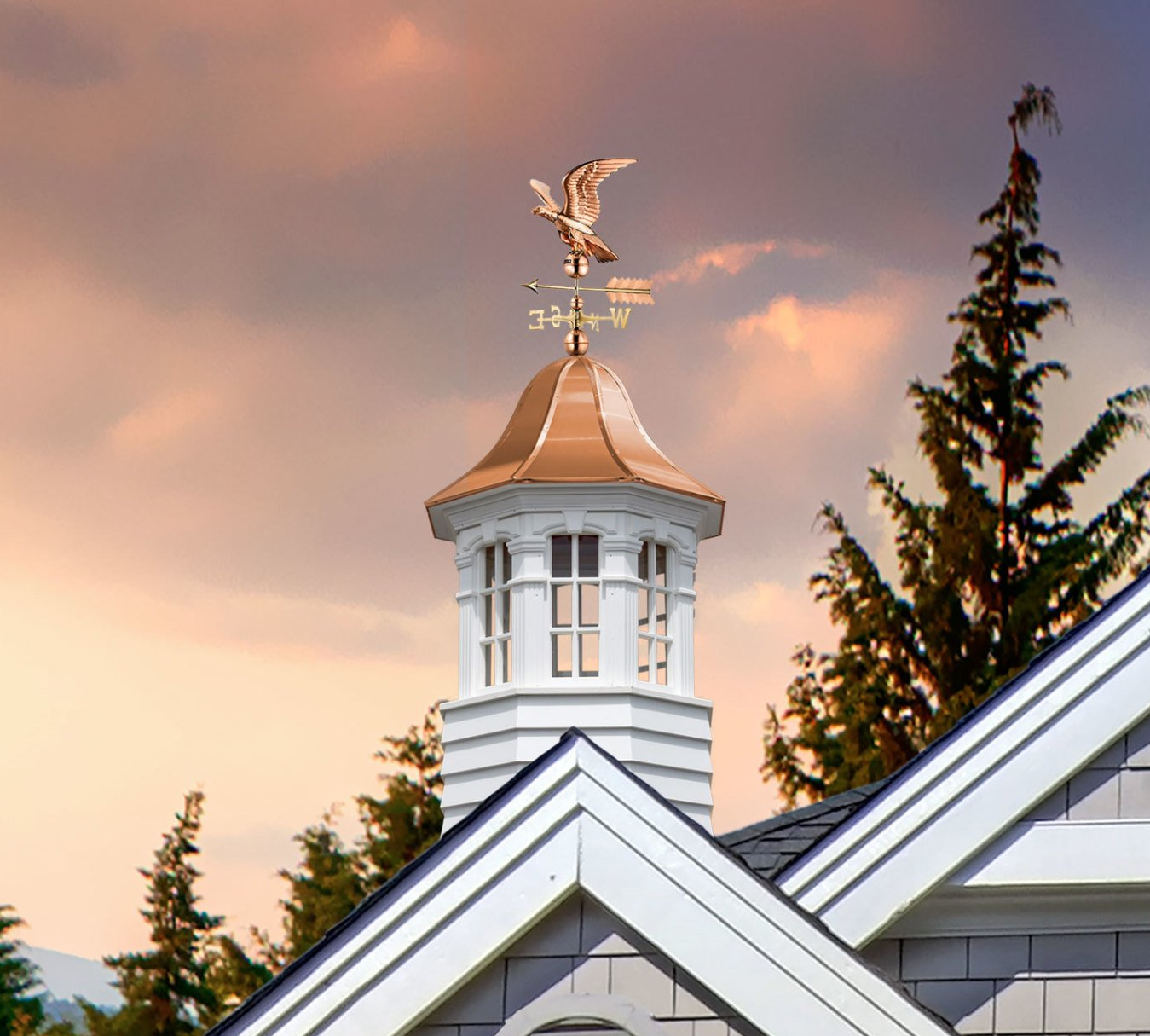
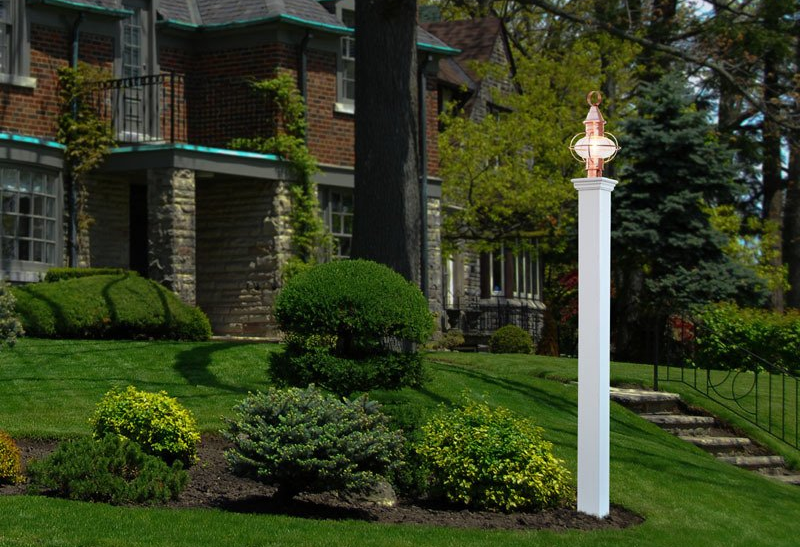
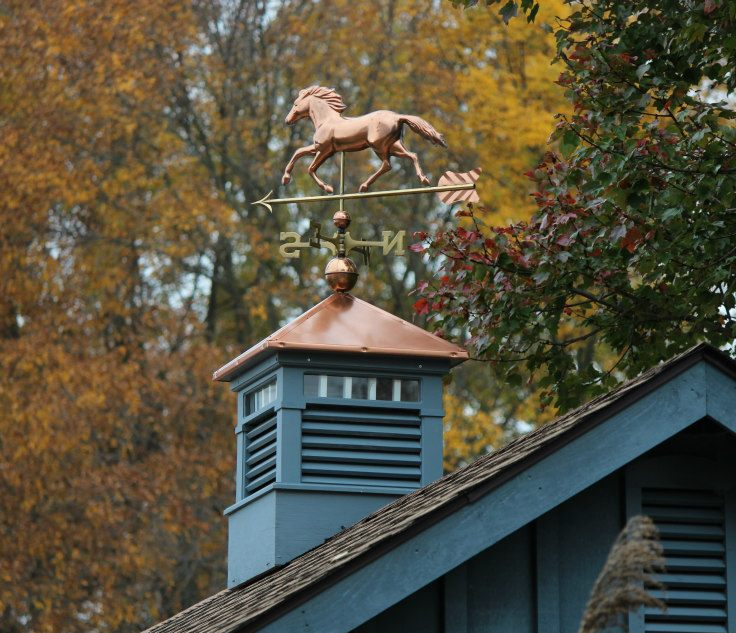
Copper reacts to its surroundings. On a suburban rooftop, a cupola sits in open air, exposed to rain, sun, and shifting temperatures. On a country barn, a finial weathers wind and moisture without interruption. In a front yard, a weathervane or lamppost faces dew, pollen, and humidity each morning.
Unlike many metals, copper is chemically active at the surface. When oxygen, moisture, and trace pollutants interact with it, they form compounds that change the metal’s color without weakening it. This reaction isn’t a flaw. It’s copper doing exactly what it’s meant to do outdoors.
Tarnish vs Oxidation vs Patina: What These Terms Actually Mean
These terms describe different stages of the same process.
Oxidation begins when copper contacts oxygen and moisture, often within days of outdoor exposure.
Tarnish is the early visible darkening. In most environments, this appears within 3 to 12 months as copper loses its bright finish.
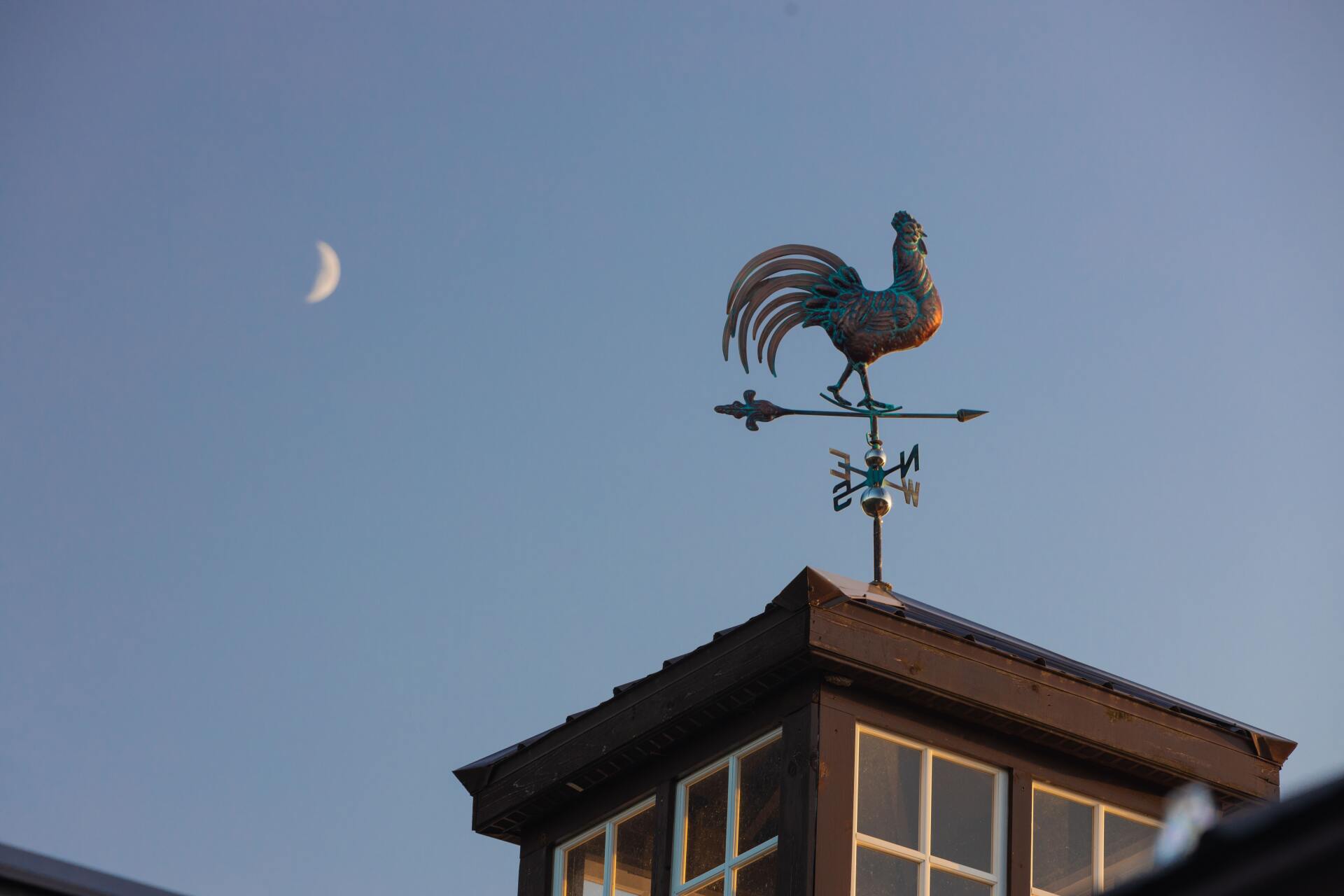
Patina is the stable, long-term layer that develops over the years. Early stages may appear within 2 to 5 years, while a fully developed green patina can take 5 to 20 years, depending on climate and air quality.
Patina isn’t damage. Outdoors, it forms a protective surface that slows further change.
Why Outdoor Copper Ages Differ From Decorative Copper
Architectural copper, used on cupolas, finials, and roof accents, is thicker, less polished, and intentionally left unsealed. That allows oxidation to occur evenly, producing a stable patina rather than patchy discoloration.
Decorative or indoor copper is usually thinner, highly polished, or sealed to preserve shine. Because it isn’t meant for constant exposure, oxidation appears as surface tarnish rather than a uniform protective layer.
Outdoor copper is designed to age. Decorative copper is designed to be maintained
Should You Try to Prevent Copper From Tarnishing?
This question often comes up when copper first starts to change.
The shine softens, and the color deepens. For some, that shift causes concern. For others, it adds character. Copper doesn’t lose value as it ages. It reflects the environment, seasons, and time. The right approach depends on where the copper is located and what role it plays.
When Letting Copper Age Naturally Is the Better Choice
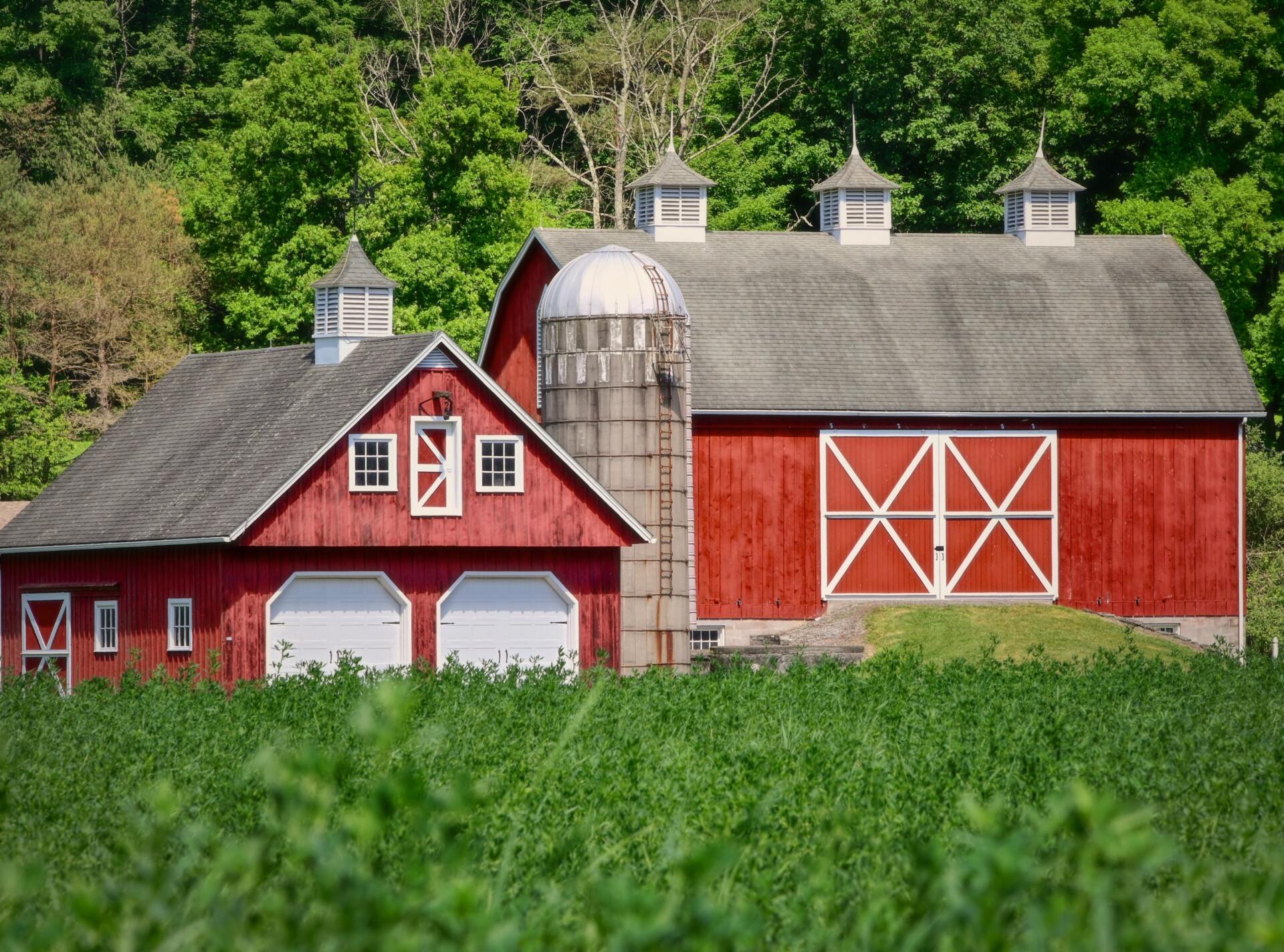
For large architectural elements, aging is part of the appeal. A cupola high on a roof or a finial atop a barn isn’t something you see up close every day. As copper deepens from warm browns to muted greens, it begins to feel settled and permanent.
Copper that’s allowed to weather evenly gains protection and consistency. This philosophy is reflected in the
Estate Copper Series, where patina is part of the design rather than something to resist.
When Preventing Tarnish Makes Sense
There are times when holding onto a brighter finish feels right.
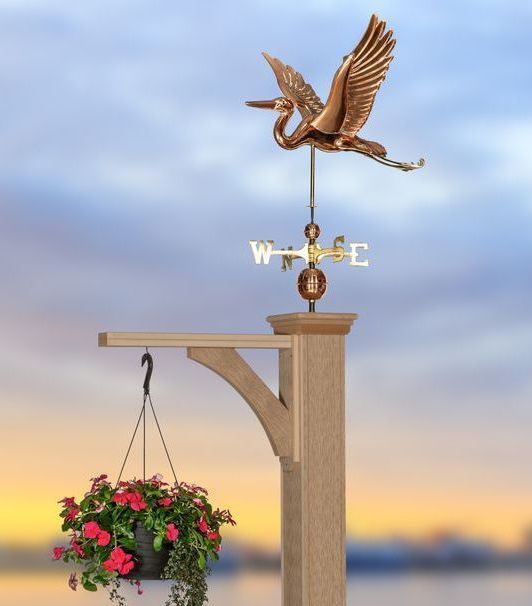
Decorative copper accents or sheltered elements often benefit from protection. Examples include porch-roof finials, lantern tops near an entryway, decorative panels under eaves, or small weathervanes mounted close to the ground.
Structures like gazebos provide a more controlled environment, which is why
gazebo cupolas
often age more gradually than fully exposed rooftop installations.
How to Prevent Copper From Tarnishing: Methods That Actually Work
Preventing tarnish means slowing oxidation, not stopping it entirely.
Start with a clean, dry surface using water and a soft cloth. If needed, use a mild, pH-neutral soap, then rinse and dry completely.
Apply a thin protective barrier. For accessible copper elements, a light coat of mineral oil or a wax-based copper protectant can slow air exposure. Apply sparingly and evenly.
Minimize moisture by ensuring good drainage and ample airflow. Avoid aggressive polishing, which strips protective layers and leads to uneven re-oxidation.
How to Clean a Copper Without Damaging It
Cleaning a copper cupola should be infrequent and intentional. Most do not need regular cleaning.
When necessary, focus on removing debris or residue rather than restoring shine. Use clean water, mild pH-neutral soap, and soft materials only.
Avoid acidic cleaners, metal polishes, abrasive pads, and pressure washing. These methods strip the patina, unevenly expose raw copper, and shorten the material's service life.
For most installations, cleaning every few years or not at all is normal.
Copper Is Chosen for Character, Not Perfection
Copper isn’t meant to stay frozen in time. It’s chosen because it evolves and gains character. At Royal Crowne, we design with that reality in mind.
If you’re asking how to prevent copper from tarnishing, the most important step is deciding what kind of character you want your copper to develop. When care matches the setting, copper rewards you with beauty that lasts.