How to Read a Weathervane
Beak or Tail Feather? Here’s How to Read a Weathervane
You’re standing outside, looking up at the weathervane on your house. You squint. Is it the beak that matters or the tail feather? The arrowhead or the fletching?
On a
weathervane,
the side that matters is the front of the object.
It always points into the wind and shows which direction the wind is coming from.
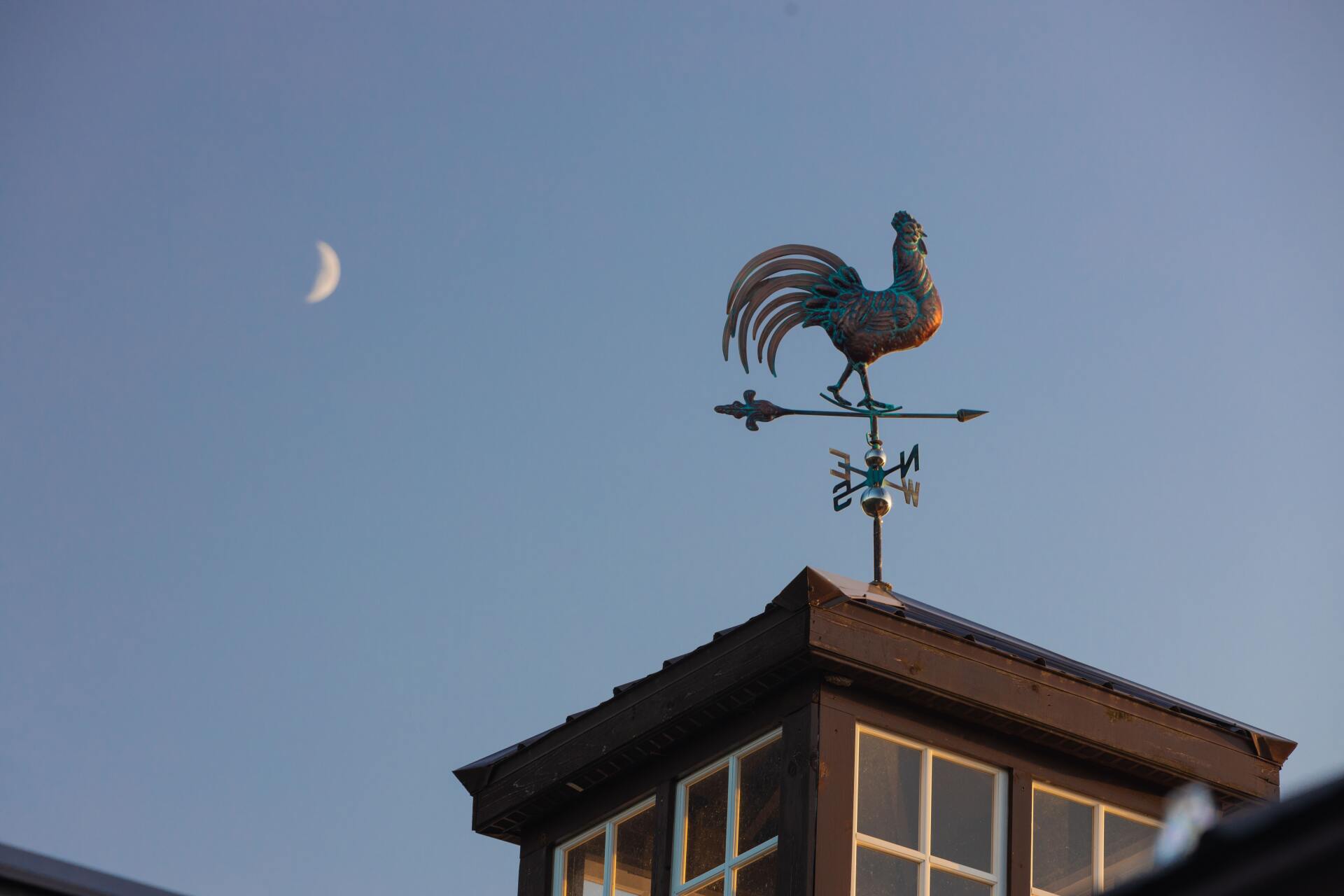
That single rule is the key to understanding how to read a weathervane. No matter the design, the front shows where the wind originates, not where it’s going.
At Royal Crowne, we have a real appreciation for these old-school meteorologists. A weathervane does more than spin in the breeze. Once you know how to read it, you’ll start looking up each morning at something that’s both beautiful and practical.


What Is a Weathervane, and What Does It Actually Do?
A weathervane, also called a wind vane, is a simple tool that shows the direction the wind is coming from. It does not measure wind speed, temperature, or forecast the weather. Its other role is visual. A weathervane adds personality and creates a clear focal point along a roofline.
So how does it know which way the wind blows?
A weathervane balances a figure or arrow on a vertical pivot. The back of the vane has more surface area than the front, so the wind pushes it away and turns the front into the wind. Once it settles, the direction the front points shows the wind’s origin.
In short, a weathervane turns invisible wind movement into something you can see and understand, while adding timeless character to your home’s exterior.
Wind Vane vs. Weathervane: Are They the Same Thing?
Yes. Wind vane and weathervane are two names for the same tool. Both show the direction the wind is coming from. The difference is in the wording, not the function.
Where they differ is in design.
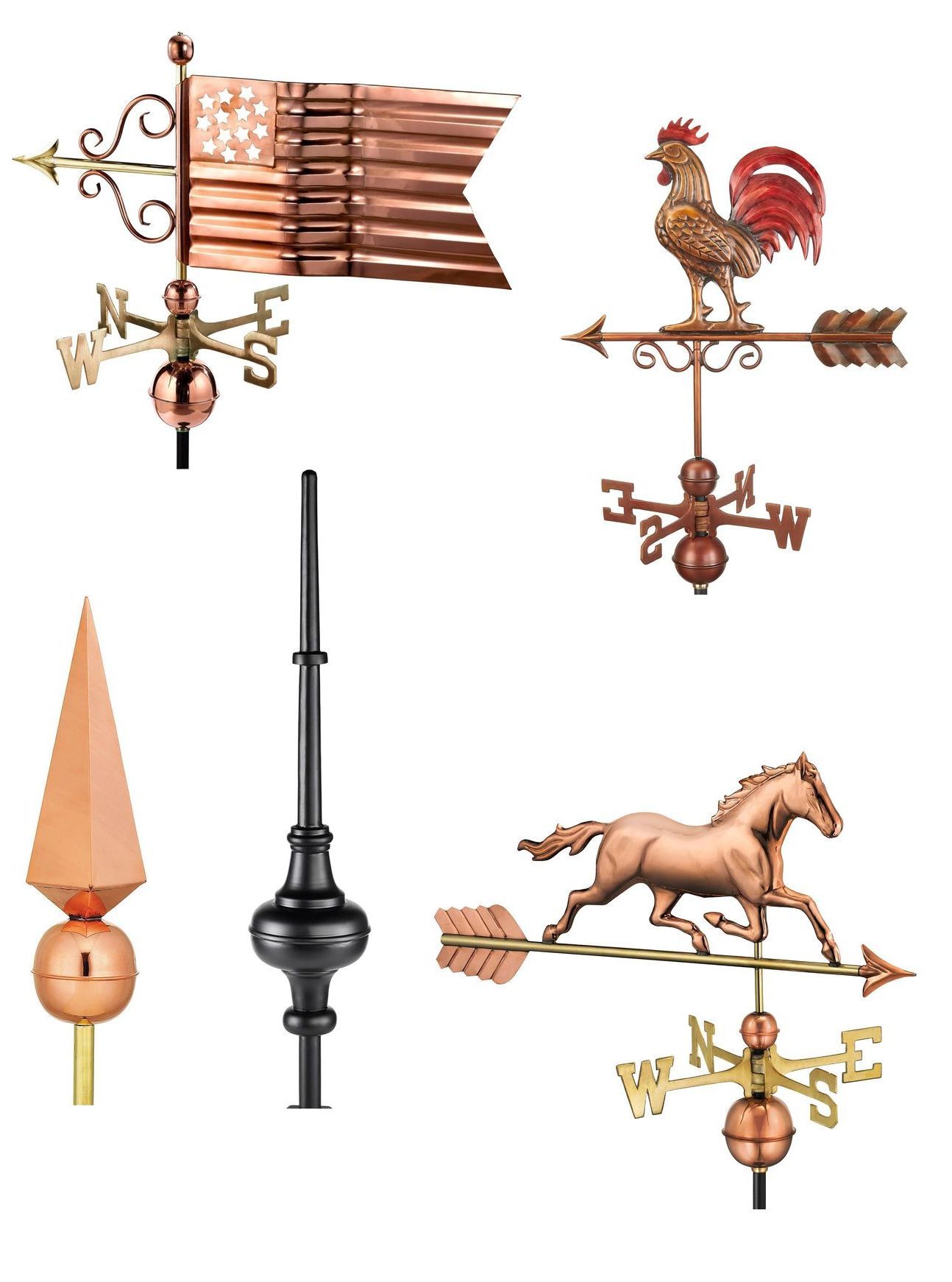
Windcup Weathervanes focus on movement. They are lightweight and balanced to spin easily, even in a light breeze, with clean shapes that work well on rooftops, sheds, or garden posts.
Copper Weathervanes and Finials emphasize tradition and detail. Made from copper, they develop a natural patina over time and are often used on cupolas, gables, and architectural accents where classic style matters.
Different styles, same purpose: showing wind direction while adding character to your home.
How to Read a Weathervane in Three Simple Steps
You’re heading out the door with your golf bag in hand, about to load the car for tee time. Before you go, you glance up at the weathervane. Is today’s wind going to push your drives right or left?
Or maybe you’re setting up for an outdoor get-together and deciding where to place the grill, umbrellas, or fire pit so the smoke and heat don’t blow back toward the patio. A quick look up gives you the answer.
Here’s how to read a weathervane, step by step.
Step 1: Start With the Direction Markers
First, find the fixed direction markers. North, east, south, and west don’t move. They give you a clear reference point for reading wind direction.
Step 2: Follow the Arrow, Not the Breeze
Next, focus on the front of the vane. Whether it’s a beak, arrowhead, or figure, the front always points into the wind, no matter how the breeze feels at ground level.
Step 3: Name the Wind Direction With Confidence
Finally, match the front of the vane to the nearest direction marker. If it points west, you’re dealing with a west wind. East means an east wind.
Once you’ve done this a few times, reading a weathervane becomes quick, reliable, and surprisingly useful.
Why People Still Look to the Roof for Answers
Long before weather apps and hourly forecasts, people looked up to understand what the wind was doing. The earliest recorded weathervane appeared in ancient Greece atop the Tower of the Winds in Athens around the first century B.C.
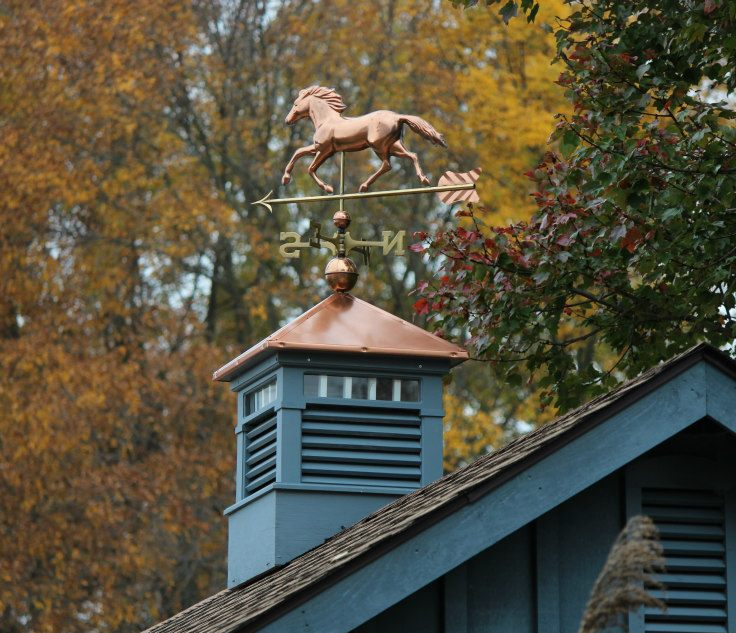
That role hasn’t disappeared. Today, a weathervane still offers a quick, local way to see how the wind moves across your property. But it does more than inform. It creates a visual landmark you come to recognize and trust. It connects your home to a long tradition of craftsmanship and shared culture, while adding a piece of functional art that gives the roofline identity and character.
A weathervane doesn’t just show the wind. It helps define a place.
One Size, Shape, or Finish Doesn’t Fit Every Roof
Weathervanes come in a wide range of styles, sizes, and materials. Choosing the right one depends on where it will live and how you want it to feel on your property. The right choice creates balance, both visually and functionally.
Styles and Designs
- Classic and Traditional
Roosters, arrows, and eagles feature timeless silhouettes rooted in history. These designs feel right at home on farmhouses, colonial-style homes, and barns. - Nature and Wildlife Inspired
Horses, birds, deer, fish, and nautical figures reflect personal interests or surroundings. They’re especially popular for rural properties, waterfront homes, and garden settings. - Unique and Playful
Golfers, motorcycles, pineapples, and wine-themed designs add personality and conversation value. These styles work well on sheds, garages, patios, and garden spaces where creativity can shine.
Choosing the Right Size
- Cottage or Garden Size
Smaller profiles suited for sheds, pergolas, posts, and garden mounts. - Standard or Full Size
The most common choice for homes and garages. Visible from the ground without overpowering the roofline. - Barn or Estate Size
Larger silhouettes and wingspans are designed for barns, cupolas, and large structures where scale matters.
Selecting the
right size
ensures the weathervane looks balanced and reads correctly from the ground.

A Small Detail That Adds Meaning, Movement, and Direction
Once you know how to read a weathervane, it’s hard not to look up. What once felt decorative now feels purposeful, a quiet signal responding to the wind around your home.
At Royal Crowne, we appreciate these old-school meteorologists for exactly that reason. They combine movement, meaning, and craftsmanship in a way few details do. Explore our weathervane collection to find a piece that feels just as thoughtful and at home on your roofline.